
.svg)

 Fax Us: 407-705-2540

Blog
Varicose veins are enlarged, twisted veins that most commonly appear in the legs. They develop when the valves inside your veins weaken, causing blood to pool instead of flowing smoothly back to your heart.
While millions of adults experience the early signs of varicose veins, many brush off symptoms like leg heaviness or swelling, assuming they're just part of aging or a long day on their feet.
Here's the truth: recognizing the warning signs early can help you avoid pain, visible vein changes, and more serious complications down the road.
Early diagnosis opens the door to noninvasive treatments and simple lifestyle adjustments that protect your vein health before symptoms progress.
If you're noticing discomfort or changes in your legs, don't wait until varicose veins become painful or visible.
Schedule a vein evaluation at the Cardiovascular Center of Florida and get ahead of the problem while treatment is still simple and effective.
What Are the Early Signs of Varicose Veins?
Varicose veins don't appear overnight. They develop gradually, often long before you see those telltale blue or purple bulging veins.
Early symptoms can seem minor: a little leg heaviness here, some ankle swelling there. But these subtle changes often signal the beginning of vein damage or venous insufficiency.
Varicose veins often appear in stages. They might look like:
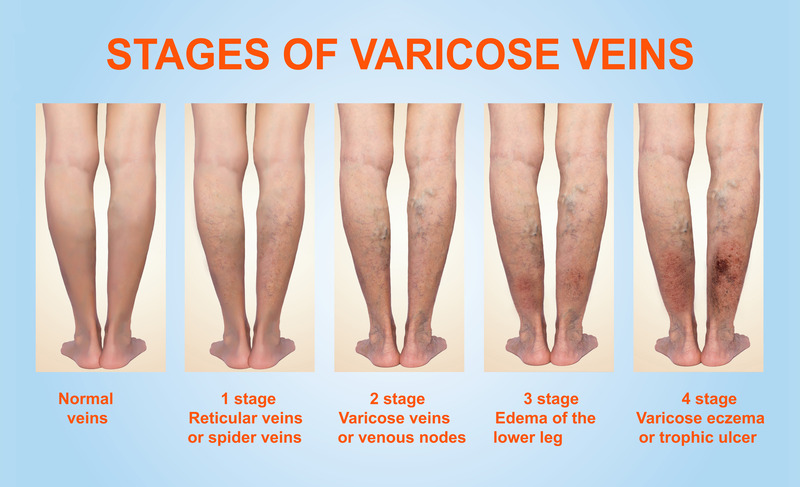
The good news is that identifying the early signs of varicose veins leads to easier, more effective treatment options.
Catching vein issues early means you can address them with lifestyle changes or minimally invasive procedures, before they turn into a bigger problem.
5 Early Signs of Varicose Veins You Shouldn’t Ignore
Varicose veins don't appear overnight. They develop gradually, and your body usually sends warning signs first. Here are five early symptoms that shouldn't be ignored:
1. Aching or Heaviness in the Legs
One of the first signs that something isn’t quite right is a dull, persistent ache or heaviness in your legs, especially after standing or sitting for long periods. This discomfort is often one of the earliest symptoms of vein valve weakness.
When valves aren't working properly, blood pools in the veins instead of flowing back up to your heart, creating that heavy, tired feeling.
You might notice the discomfort improves when you elevate your legs. That's because elevation helps blood flow more easily. This symptom is a key early sign that your veins are struggling to do their job efficiently.
2. Swelling Around Ankles or Feet
If you've noticed puffiness or swelling around your ankles or feet, especially by the end of the day, it could be a sign of poor circulation.
When blood isn't moving efficiently through your veins, fluid can leak into surrounding tissues, causing that uncomfortable swelling.
Swelling often worsens after sitting for long periods, like during a flight or at a desk job. Left untreated, chronic swelling can lead to skin irritation, discoloration, and inflammation.
3. Visible Vein Changes
Before fully formed varicose veins appear, you might notice smaller veins starting to show through the skin, appearing as bluish lines or slightly raised veins that weren't there before.
Spider veins, which look like tiny clusters of red or purple lines, can also be an early stage of vein trouble.
While many people dismiss visible veins as purely cosmetic, they can actually indicate deeper vein problems. If you're seeing changes in your veins, it's worth getting them checked out.
4. Itching or Skin Irritation
Poor circulation can also affect your skin. You might notice dryness, itchiness, or a rough, rash-like texture around affected veins. This happens because blood isn't delivering oxygen and nutrients to the skin the way it should.
Persistent itching may seem harmless, but it can be a warning sign of inflammation beneath the skin's surface. If left untreated, it may progress to more advanced skin discoloration or even venous ulcers.
5. Muscle Cramps or Restlessness in the Legs
Do you wake up with leg cramps at night? Or feel an overwhelming urge to move your legs when you're trying to relax? These symptoms often result from blood pooling in the veins and reduced oxygen flow to the muscles.
Nighttime cramps and restlessness tend to worsen during inactivity, which is why they're most noticeable when you're lying in bed. In some cases, this discomfort overlaps with Restless Leg Syndrome caused by vein dysfunction.
Experiencing even one of these signs? Don't brush it off. Book a vein consultation at the Cardiovascular Center of Florida to find out what's going on and explore your treatment options.
How to Treat Early Signs of Varicose Veins
The earlier you address varicose veins, the easier treatment tends to be. Early-stage treatment is often simple, painless, and highly effective, no surgery required.
Noninvasive options include:
- Compression stockings to support vein function and reduce swelling
- Leg elevation throughout the day to improve blood flow
- Increased movement and exercise to keep circulation strong
For more advanced cases, minimally invasive procedures like laser therapy, sclerotherapy, or radiofrequency ablation can target problem veins without downtime or discomfort. Remember, early intervention prevents pain, swelling, and skin changes from progressing. Treating varicose veins in their early stages protects your vein health and keeps you comfortable.
Lifestyle Tips to Prevent Worsening
While treatment can address existing vein problems, lifestyle adjustments can help prevent them from getting worse:
- Maintain a healthy weight to reduce pressure on your veins
- Exercise regularly to promote strong circulation (walking, swimming, and cycling are especially helpful)
- Avoid sitting or standing for long periods—take breaks to move around or elevate your legs
- Stay hydrated to support healthy blood flow
- Elevate your legs daily, especially at the end of the day, to give your veins a break
Prevention is powerful. Early care keeps your veins strong and healthy for years to come.
Schedule Your Vein Evaluation at the Cardiovascular Center of Florida
Varicose veins develop gradually, but the warning signs are there if you know what to look for. Leg heaviness, swelling, visible vein changes, itching, and nighttime cramps are all early signals that your veins need attention. The sooner you act, the easier treatment will be.
At the Cardiovascular Center of Florida, we offer comprehensive vein evaluations using advanced diagnostic imaging and minimally invasive treatment options tailored to your needs. Whether you're dealing with early symptoms or more advanced vein issues, our team is here to help you find relief and protect your long-term vein health.
Don't wait for symptoms to worsen. Schedule your appointment today and take the first step toward healthier, more comfortable legs.